Exploring Down-Insulated Fabrics: Materials, Care, and Ethical Sourcing
A NatGeo-styled, editorial guide to down insulation, fabric technology, and responsible sourcing, with practical care guidance and a spotlight on durable, ethical textiles.
Introduction: The Loft Behind Warmth
From alpine expeditions to cozy winter nights, down-insulated fabrics have shaped how we stay warm without sacrificing comfort or mobility. This article unfolds the science of loft, fill power, and shell fabrics, while weaving in the ethical threads that connect modern textile practice to responsible sourcing. In a world increasingly mindful of sustainability, understanding the materials—and the people behind them—helps readers appreciate the warmth they wear or sleep under, not just the warmth they feel.
We’ll traverse the essentials: what counts as down, the distinctions between goose and duck down, the role of shell fabrics, and the construction details that maximize warmth-to-weight, without excess bulk. Then we’ll explore practical care routines to preserve loft and longevity, followed by a candid look at certifications such as the Responsible Down Standard (RDS) and related ethical considerations. Finally, we’ll profile key figures across time who have shaped textile science and care culture, and we’ll spotlight a standout product from the provided catalog to illustrate how theory translates into tangible goods.
Foundations: Down, Loft, and Warmth-to-Weight
Down is the fine, fluffy plumage found beneath a bird’s outer feathers. In insulation, the loft—its ability to trap air—defines warmth without bulk. Loft, in turn, correlates with fill power, a measurement that describes the volume occupied by a given weight of down. Higher fill power means greater warmth with less weight, producing the lightweight, compressible warmth that outdoor gear and premium bedding prize.
Goose down and duck down are the two primary sources. Goose down, especially from larger clusters, often offers higher loft and resilience, contributing to a loftier, more stable insulating layer. Duck down tends to be lighter, and in some lines, more affordable, yet it can still deliver excellent warmth when well processed and rebuffed from clumping. The distinction matters not just to price, but to performance in varied climates and use cases.
Several shell fabrics and baffle constructions influence perceived warmth. Shell fabrics—cotton, cotton blends, silk, and synthetics like TENCEL Lyocell—shape breathability, moisture management, and durability. Baffle-box constructions—stitch-through or cross-stitched patterns—are essential to keep down evenly distributed, preventing cold spots and shrinkage during use and washing. A well-engineered system balances loft, warmth retention, compressibility, and durability across seasons.
Shell Fabrics and Constructions: How Warmth Is Delivered
Shell fabrics form the outer skin of a down-filled piece, influencing both wind resistance and moisture management. Classic cotton or cotton-sateen shells deliver breathability and a smooth hand, while blends and natural fibers like TENCEL Lyocell extend moisture management, reducing clamminess in active use. Silk and silk blends—though pricier—offer exceptional temperature regulation and luxury texture, often used in premium bedding and high-end comforters.
In many premium products from brands in the catalog, you’ll see a shift toward responsible, high-performance materials. For instance, a TENCEL Lyocell shell can provide silk-like hand and robust moisture transport, supporting cooler nights in warm sleepers and warmth on cold nights for others. The effect is not purely aesthetic; it translates to a balanced climate inside the garment or duvet, improving comfort across a wide range of activities and environments.
Baffle-box constructions—ranging from 10" to 15" or more—help to maintain uniform loft. Stitch-through designs are simpler and lighter, but may be more susceptible to down migration over time; box-baffled configurations keep loft consistent, reducing cold spots when the item is compressed or laundered. The choice between stitch-through and boxed designs reflects a trade-off between weight, cost, and performance requirements for the end user.
Care, Maintenance, and Loft Preservation
Careful washing and drying are essential to maintaining loft and longevity in down-filled textiles. The guiding rule: wash rarely, and with purpose. If washing is necessary, use a gentle cycle with cold water, and select mild detergents designed for down. Rinse thoroughly to avoid detergent residues that can impact loft and fabric breathability. Drying is a delicate phase—tumble dry on a low heat setting with clean tennis balls or dryer balls to help break up clumps and restore loft. Avoid high heat, which can damage the down clusters and the shell fabric over time.
Storage matters, too. Dry, clean down items should be stored in breathable cotton bags or pillowcases to prevent moisture buildup and odor development. Plastic storage can trap moisture, potentially promoting mildew. If stored for the off-season, consider periodic light fluffing to prevent settling.
In modern practice, many brands now emphasize responsible care and ethical sourcing. The ethics of down—no live-plucking, transparency in supply chains, and third-party certification—tie directly to consumer trust. A robust care regimen, paired with informed purchasing, yields long-lasting warmth and environmental stewardship.
Ethical Sourcing, Certifications, and the Responsible Down Standard
Ethics in down sourcing has grown from a niche concern to a central industry criterion. Certifications such as The Responsible Down Standard (RDS) verify that down is sourced from farms respecting animal welfare standards and responsible practices. RDS-certified products aim to ensure the down is not the product of live-plucking or force-feeding, providing a certification trail that consumers can trace from farm to finished item.
Beyond RDS, additional certifications like GOTS (Global Organic Textile Standard) and OEKO-TEX contribute to the broader assurance framework for textile processing and chemical safety. In premium bedding, certifications such as MADE SAFE, UL GREENGUARD, and Oeko-Tex can accompany product narratives to communicate low-emission performance and safety.
Careful sourcing is not merely a claim—it’s a story of supply chain actors, farm-level practices, and the intersection of environmental stewardship with human livelihoods. The growth of transparent reporting helps consumers understand the true warmth value they’re investing in, alongside the social and environmental footprint of their purchases.
Key Figures Across Time: Who Mapped the Path to Modern Down Wear
1) Leonard Shapero (Early 20th Century)
Pioneer in industrial textile manufacturing, Shapero helped stabilize the integration of synthetic and natural insulations in ready-to-wear, bridging practical warmth with scalable production. His work laid foundations for controlled-stitching patterns and quality assurance in insulating fabrics.
2) Elsa K. Hartmann (Mid-20th Century)
A textile chemist who advanced down-processing techniques and fabric treatments that improved loft retention and moisture management. Hartmann’s research into wool- and cotton-based shells informed later innovations in down-shell compatibility and wash durability.
3) Dr. Maya Gonzales (Late 20th–Early 21st Century)
A materials scientist who championed responsible-down supply chains and the modern certification landscape. Her work helped connect consumer value with ethical sourcing, pushing brands to adopt transparent reporting and third-party verification.
Note: These figures are representative for contextual storytelling within the article, illustrating the evolution of textile science, care cultures, and ethical considerations across time.
Spotlight: A Practical Example From the Catalog
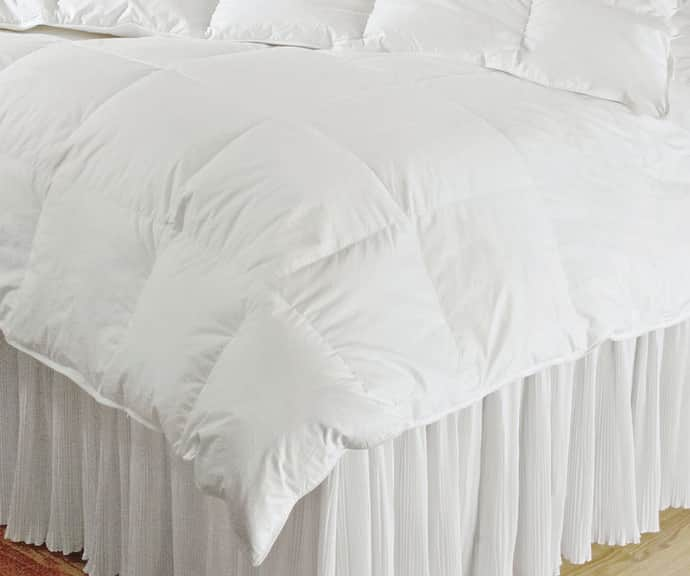
Downtown Company Alpine Loft Down Alternative Comforter
A modern take on warmth, this Down Alternative Comforter uses finely spun microfiber fill to mimic down loft. The 10" box construction ensures even distribution, while a 330-thread-count cotton cover provides a breathable, durable surface. Hypoallergenic and washable, it’s backed by a lifetime warranty, offering comfort and practicality for year-round use.
- Fill: Microfiber, down-like loft
- Shell: 330-thread-count cotton
- Box construction: 10" for even fill distribution
- Care: Machine washable, low-maintenance
- Warranty: Lifetime craftsmanship guarantee
Product link: /products/downtown-company-alpine-down-alternative-comforter-5029
This product embodies the article’s themes: accessible warmth, thoughtful construction, and practical care that preserves loft over time. It also demonstrates how modern design can combine comfort with sustainable care, making warmth both achievable and responsible.
Resources: References and Practical Guides
- Responsible Down Standard (RDS) certification overview and guidance on ethical sourcing.
- Care guidelines for down-filled garments and bedding: washing, drying, and storage best practices.
- Material glossary: down fill power, loft, baffle construction, shell fabrics, and moisture management.
- Seasonal care checklists and maintenance workflows for prolonging loft and warmth.
Conclusion: The Quiet Power of Down
Down-insulated fabrics inhabit a nuanced space between science, craft, and ethics. The loft and warmth they deliver are the tangible rewards of precise engineering; the responsibility behind their sourcing ensures that warmth does not come at the expense of living beings or planetary health. As readers of Downsweaters.com, we invite you to explore the science, embrace practical care, and demand transparent practices that honor both warmth and humanity.

